© Murphy Philipps 2025
.png)
.png)
.png)
.png)
Upton Hospital, Slough
2517 sqm
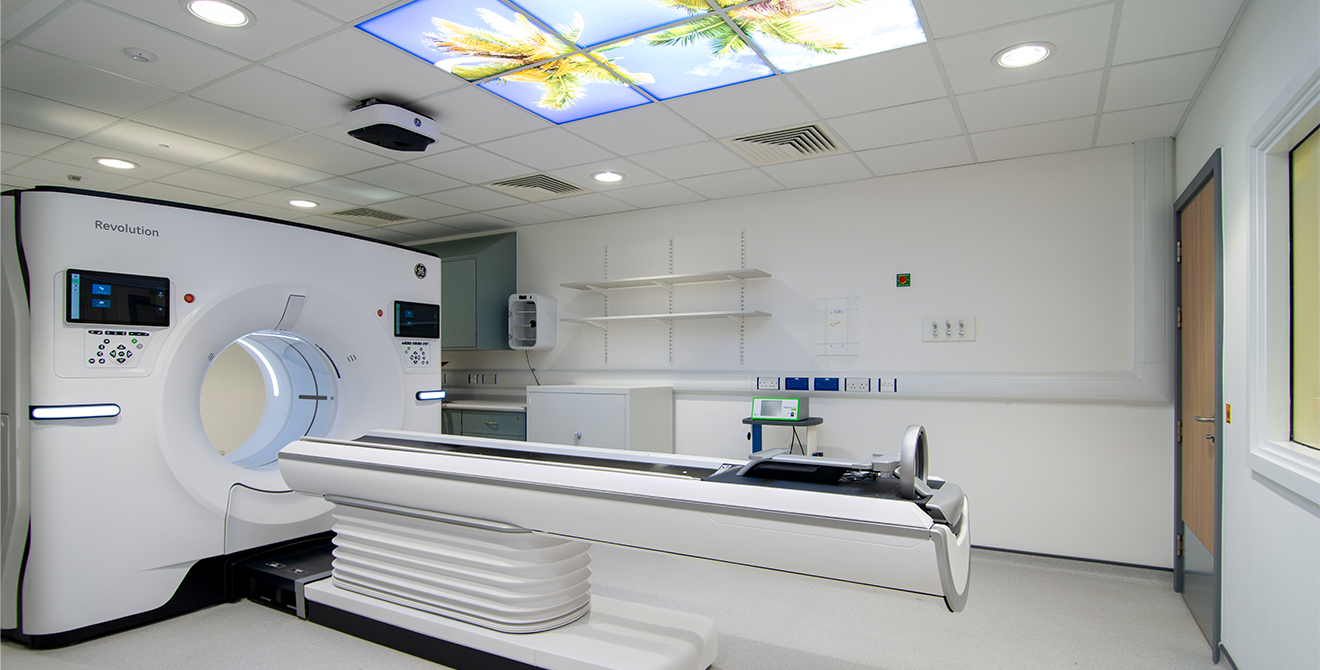
Murphy Philipps Architects worked on behalf of Frimley Health NHS Foundation Trust to design and deliver the new Slough Community Diagnostics Centre (CDC) at Upton Hospital, Slough. Delivering a modern facility to provide a range of diagnostics facilities including imaging, cardiology, respiratory and blood tests for the community, making it easier and faster for patients to get necessary tests required and respond to increasing primary care demands.
Due to budget and programme requirements, the ambition was to develop a facility using Modern Methods of Construction (MMC), using a panelised steel framed system fabricated off site in order to speed up on site installation, and minimise on site presence.
.png)
Along with sustainability as a key driver, the project was also in response to constraints in cost and programme without compromising quality and clinical functionality.
To maximise the benefits of a panelised construction system, MPA delivered a design with standardised room layouts and standardised façade design, to allow for an efficient off-site fabrication and construction process. Early in the process, site layout/landscaping optioneering was carried out to minimise re-grading of the existing sloped site, which was beneficial in cost, time, and sustainability terms.
The form of the building was designed to work well with landscaping, creating a new open courtyard and maximising the use of glazing to bring in natural daylight into the main spaces. This contributes to a therapeutic and relaxing environment which is important to user experience and wellbeing while visiting the building for important testing. Materials were selected to complement the existing context and surrounding buildings.
.png)
.png)
The design evolved through close engagement with the Trust and key stakeholders. Working alongside the Trust’s clinical team, MPA developed spaces tailored to the specific needs of end users. This ongoing partnership ensured the clinical team played a central role in shaping the design, fostering a strong sense of ownership throughout the process.
MPA led a series of stakeholder workshop sessions to present ongoing design and receive feedback, which contributed to the design development.
The final outcome is a completed building that delivers high quality, user focused results, achieved through the continuous involvement of the people who will ultimately use the spaces created. By also working closely with specialist contractors, the facility is a successful example of the benefits of off site fabrication and a collaborative design process.
.png)
.png)


This project has enabled: